

















THE REFERENCE CERTIFICATE IN FINANCIAL MARKETS
Part I: ECONOMIC ENVIRONMENT
Economic Environment
- Role of the financial markets
- Role of money
- Economic policy
- Main economic indicators
Major trends and crises
- Major trends and volatility
- Financial crises
Main economic players
- Governments
- Central Banks
- Banks and Asset managers
- Households
- Corporates
Buy-side key players
- Definition
- Non-financial companies
- Retirement funds
- Insurers and mutual societies
- Asset managers
Sell-side : Organisation of a Corporate and Investment Bank (CIB)
- Overview
- Functions involving direct client contact
- Functions in direct contact with the markets
- Support functions
Part II: FINANCIAL PRODUCTS AND MARKETS
Fundamental Notions
- Asset classes
- Transaction dates
- Spot and forward
- On-balance sheet / Off-balance sheet
- Vanilla and exotic derivatives
- Structured products
- Discounting and yield to maturity
Exchanges
- How a stock market operates
- How a listed derivatives market operates
- Order management and different types of order
OTC Markets
- Main products traded over the counter (OTC)
- Size of the OTC markets
- How the main markets work
- Legal/administrative restrictions and regulations
Securities
- Primary, grey and secondary markets
- Corporate actions
- Securities market participants
- Investment funds
- Securities lending/borrowing
Options
- Profit and loss on options
- Put-call parity
- Factors influencing the value of options
- Managing an option portfolio – the Greeks
- Using options
- Option strategies
- Exotic options
Equity
- Ordinary shares
- Other types of shares
- Convertible bonds
- Stock market indices and the free-float factor
- ETFs
- The main equity derivatives
- Futures, forwards and options
- Warrants
- Contracts for differences (CFD)
- Equity swaps and dividend swaps
- Equity valuation
Money Market instruments
- Market participants
- Money market interest rate conventions
- Spot instruments
- Unsecured loans
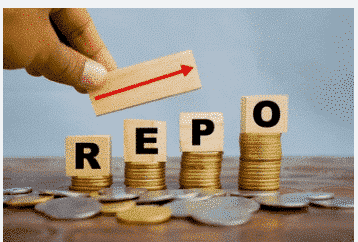
- Repo market
- Sell & Buy Back
- Short-term securities
- Central bank transactions
Short Term Interest Rate Derivatives
- Foreign exchange swaps
- Forward/forward transactions
- Forward Rate Agreements (FRA)
- LIBOR Futures
- OIS (overnight index swaps)
Swaps and other interest rate derivatives
- Principle
- How an interest rate swap works
- How an interest rate swap is used
- How a swap is traded
- Related products
- Cross currency interest rate swaps (CIRS)
- Quanto swaps
- Constant Maturity Swaps (CMS)
- Swaps in arrears
- Asset swaps
- Options on interest rate swaps (swaptions), caps and floors
Fixed Income
- Overview
- Non-standard issues
- Fixed-rate government bonds
- Futures on government bonds
- Bond valuation principles
- Interest rate risk
- Term structure of interest rates
- CMF Certificate®
- Syllabus
Credit Products
- Credit risk
- Rating agencies
- Default probabilities
- Recovery rate
- Credit spread
- Credit derivatives
- Credit Default Swaps (CDS)
- Total Return Swaps (TRS)
- Credit indices
- Securitisation
- General definition
- Basic scenario
- Types of securitisation
- Correlation risk
Foreign Exchange
- Overview
- External value of currency
- Market participants
- General principles
- Forward exchange
- Foreign exchange swaps
- Foreign exchange options
Commodities
- Commodity markets
- Soft commodities
- Hard commodities
- Emerging commodities
- Carbon certificates
- Instruments
- Futures contracts
- Commodity swaps
- Energy swaps
- Commodity options
- Valuation of storable and non-storable commodity derivatives
Structured products
- Classification
- Structured product vehicles
- Example of a guaranteed product: Bull Note
- Example of a product offering an improved return: Reverse Convertible Bonds
- Auto-calls
- CPPI
Islamic Finance
- Principles and organisation
- Products
- Mudaraba
- Murabaha
- Salam
- Sukuk
- Bai al-Arbun
Part III: FINANCIAL MATHEMATICS
Introduction to interest rates
- Payment at the beginning or at the end of the period
- Simple and Compound interest
Day count factors & Business day conventions
Methodology for Pricing Non-Optional Interest Rate Derivatives
Calculating the Present Value of a Cash Flow
- Calculating the present value of a cash flow with maturity of up to one year
- Discounting beyond one year – zero-coupon approach
- Calculating the present value of a stream of cash flows: the yield-to-maturity
Calculating a Forward-Forward Rate and a Forward Exchange Rate
Valuation of Fixed Rate Bonds
- Clean price and accrued interest
- The yield-to-maturity model
Modified Duration and Duration of Bonds
- Interest rate risk: BPV/ PVBP / DV01
- Modified Duration
- Duration